



Medical Oncology
Our cells are the basic unit of our body in terms of structure and function. Cells combine to form tissues and organs in our body. The excessive and uncontrolled proliferation of organs and tissues such as connective tissue, muscle, and bone is called a tumor. Tumors that possess malignant characteristics are called cancer.
The most common types of cancer in the world and in our country are lung and breast cancers. Early diagnosis of cancer is extremely important in terms of treatability and prolonging life expectancy. For screening, an X-ray procedure called mammography can be performed in women over 40, a colonoscopy procedure in individuals over 45 for colorectal cancer, a PSA blood test for prostate cancer in men over 50, and regular Pap-smear tests for cervical cancer in women.
Medical oncology is a subspecialty training pursued after specializing in internal medicine, and it is the specialty that medically treats cancer using chemotherapy, immunotherapy, and targeted therapies. These treatments can be administered for purposes such as shrinking the cancer before surgery, protecting after surgery and preventing disease recurrence, achieving complete recovery from the disease, or providing symptom relief called palliation in advanced stages where surgery is not possible. While oral pill treatments can be used, the predominant form of treatment is intravenous injections. Intramuscular applications are also available less frequently. Oncological treatments are referred to by names such as cure, cycle, and course. The duration of treatment varies depending on the stage of the disease and the drugs used.
To achieve success in treatment, it is very important to go through the process in harmony with the patient and their relatives. It is crucial to communicate quickly with the healthcare team and exchange information regarding side effects that develop during treatment. Adhering to the days scheduled for treatment and strictly applying the recommendations given for side effects are of great importance. These are essential factors that increase treatment success.
In conclusion, cancer is a major problem of our age. Therefore, early diagnosis is extremely important for individual and public health, as well as for treatability. Private Imperial Hospital provides services for cancer treatment with an experienced team under the leadership of Medical Oncology Specialist Dr. Ali Caner ÖZDÖVER.
Treatment methods applied in the Medical Oncology department:
CHEMOTHERAPY
What is Chemotherapy?
Chemotherapy means treating the tumor with medication. It is a very important part of tumor treatment along with surgery and radiation therapy. Chemotherapy kills tumor cells or attempts are made to stop the growth of the tumor. Sometimes a single drug, sometimes several drugs are administered in various ways.
Who Applies Chemotherapy?
The branch of science that deals with chemotherapy is called "Medical Oncology" or "Medical Oncology", and the doctor working in this field is called "Medical Oncologist (Medical Oncologist)". Medical oncology is a separate branch of expertise; a medical oncologist is an internal medicine specialist who specializes in tumor treatment.
What is the Purpose of Chemotherapy Application?
Chemotherapy can be applied for various reasons, such as the type of tumor and the characteristics of the patient.
- To completely destroy the tumor and cure the patient,
- To prevent the spread of the tumor,
- To stop or slow down the growth of the tumor,
- To eliminate the symptoms caused by the tumor, chemotherapy is applied.
Although it is an effective treatment method, in some cases it may not completely destroy the tumor and only improve its symptoms and provide a comfortable life. In some tumors, chemotherapy is the only treatment method. In others, chemotherapy is applied consecutively or simultaneously with other treatments (surgery and radiotherapy). For example; chemotherapy can be applied before surgery to shrink the tumor and after surgery to prevent its spread.
How Long is the Frequency and Duration of Chemotherapy Application?
The duration and frequency of treatment depend on the chemotherapy scheme specifically selected for your disease and the patient's condition. The duration and frequency can be changed by the doctor according to the response obtained with the treatment and the side effects that occur. Although the most commonly used intervals are 3 or 4 weeks, there are also applications once a week or every two weeks in addition to some treatment schemes. The most important, even vital, point regarding the timing of chemotherapy is that the treatment is carried out as regularly as possible and on time as the side effects allow. When treatment intervals are unnecessarily extended, the tumor is at risk of recovering and becoming stronger by becoming resistant to the drugs. In this way, the tumor continues to grow and spread, and the chance of treatment success decreases. Patients should definitely not go beyond their doctor's recommendations regarding chemotherapy appointments.
Before stopping treatment for any reason, be sure to talk to your doctor, explain your problems and ask for help. Be sure to comply with the treatment days. Never change your treatment day on your own initiative because you do not feel well. Be sure to take the medications you have to use at home. Otherwise, facing treatment failures due to incomplete treatment may be a threat.
Our Related Physicians
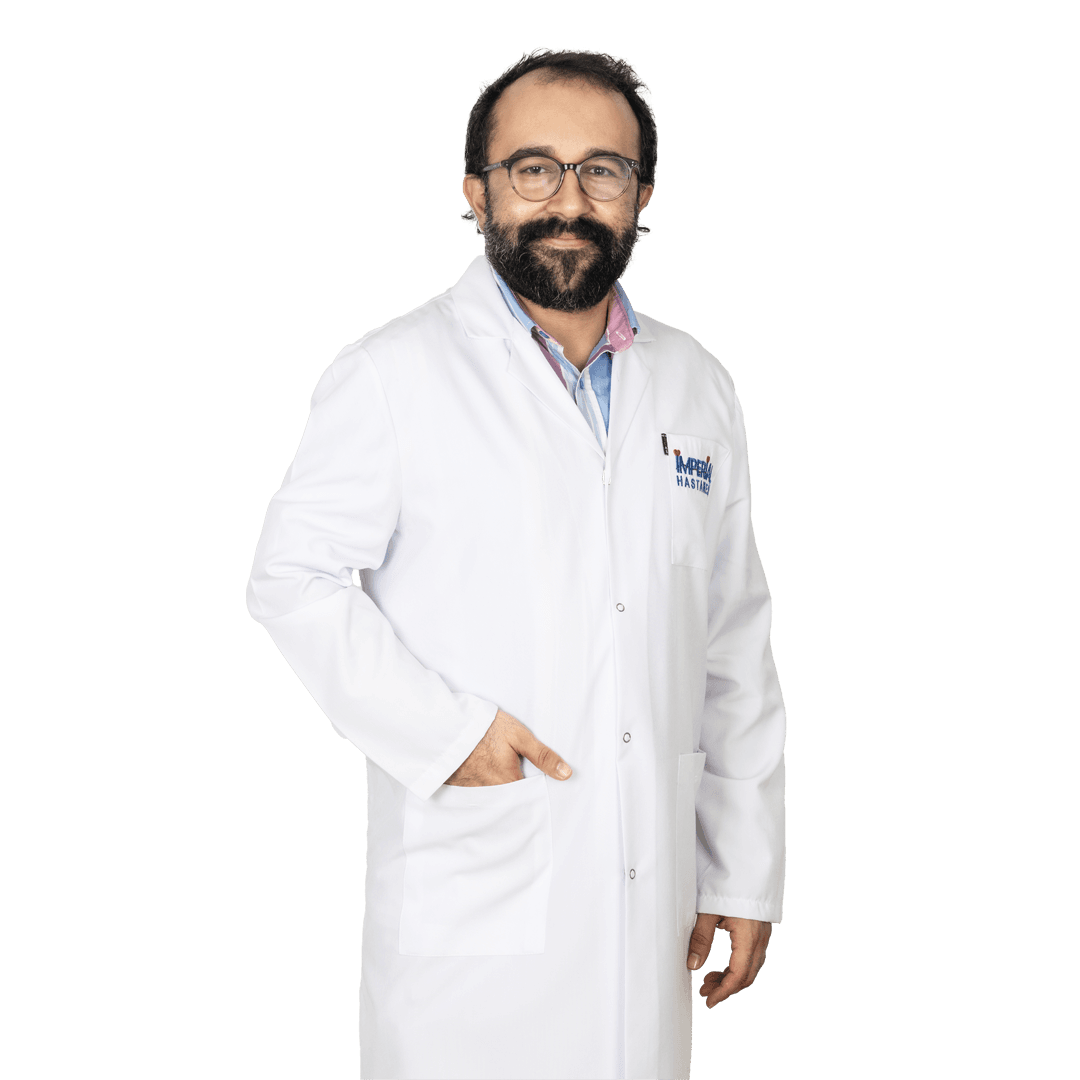
Uzm. Dr. Ali Caner ÖZDÖVER
Medical Oncology Specialist